
Egniol’s Practical NRW Guide for Landfill Compliance, Cost Control & Closure
Discover how to move confidently from daily monitoring to long-term legacy.
From Monitoring to Legacy: A Practical NRW Guide for Landfill Compliance, Cost Control & Closure provides clear, actionable guidance for landfill managers, local authorities and NRW stakeholders. Packed with key insights, practical checklists, actions, monitoring frameworks, cost-smart leachate and gas strategies, and a step-by-step closure pathway aligned to Welsh policy, this Egniol guide turns complex obligations into manageable actions.
Whether you’re optimising operations or preparing for permit surrender, this is a valuable, expert resource from Egniol’s environmental team.
Download the guide and speak with us if you’d like tailored support.
What This Guide Covers
Landfill operators across Wales are under increasing pressure to meet NRW landfill compliance requirements. Expectations are tightening. Costs, particularly around leachate and gas management, continue to rise. And at the same time, there is a growing expectation to move sites towards safe closure and positive long-term use.
While this guide is aligned to NRW requirements, many of the challenges and approaches discussed are equally relevant to landfill operators and local authorities across the UK.
With over 1,500 legacy landfill sites across Wales still requiring active management, the challenge is no longer just about monitoring, it’s about moving from monitoring to legacy.
This guide brings together over 30 years of hands-on landfill experience to provide a practical, step-by-step approach to managing that transition.

What You’ll Learn from This Guide
- How to build an NRW-aligned landfill monitoring plan
- Where landfill sites lose money, and how to reduce those costs
- A clear pathway to permit surrender and long-term environmental stability
- How to turn closed landfill sites into valuable community and environmental assets
A growing challenge for landfill operators
Recent government research* has highlighted a widening skills gap across landfill and waste management, particularly within local authorities responsible for legacy landfill sites. With reduced internal resource and fewer specialist roles, many councils are now managing increasingly complex environmental risks without the depth of technical expertise historically available.
While regulatory frameworks differ across the UK, the underlying challenges are consistent. This makes clear, practical guidance, and access to experienced support more important than ever in ensuring landfill sites remain compliant, cost-effective and on a clear path toward closure and permit surrender.
*(UK Parliament: Management of Legacy Landfill – 22 January 2026)
Building an NRW-Aligned Landfill Monitoring Plan
A robust monitoring plan is the foundation of landfill compliance, and the starting point for eventual closure.
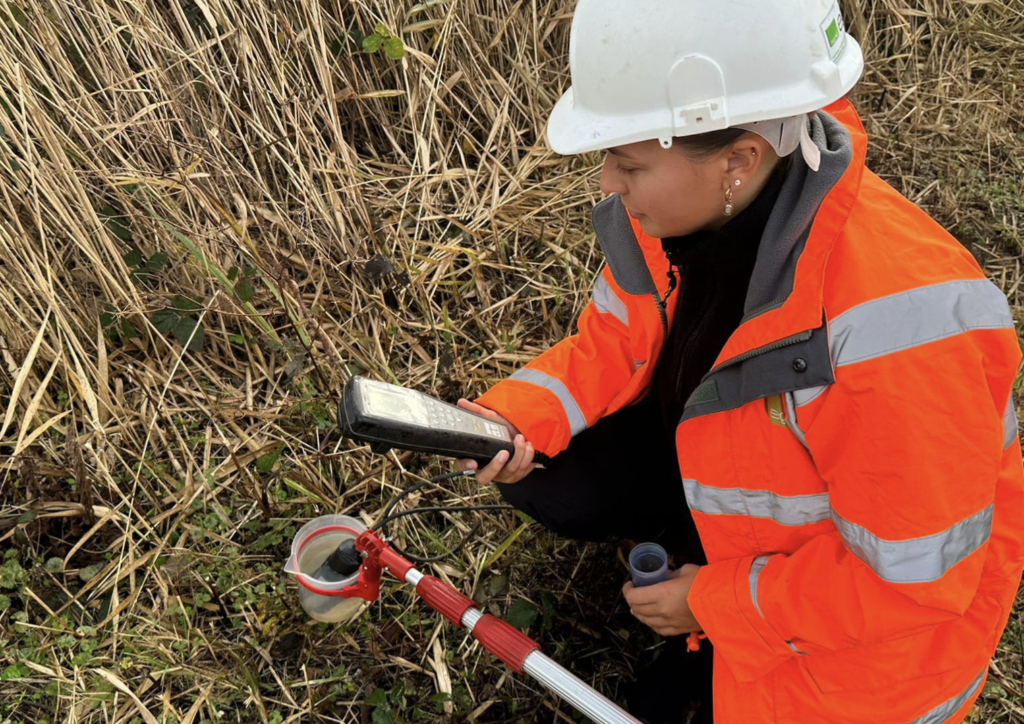
NRW expects operators to monitor key environmental factors including:
- Leachate
- Landfill gas
- Groundwater
- Surface water
But compliance is not just about collecting data. It’s about having a risk-based, structured plan that clearly defines:
- What is monitored
- Where it is monitored
- How often monitoring takes place
- What triggers indicate a problem, and what happens next
What a Strong Monitoring Plan Includes
- Clearly defined monitoring locations and parameters
- Agreed trigger levels aligned with NRW permits
- A documented response and escalation plan
- A structured reporting schedule
- Named responsibilities for data collection and review
- Regular review and updates as site conditions change
Key point: Monitoring is not just a compliance exercise, it is the foundation for reducing risk, controlling cost, and enabling closure.
Where Landfill Sites Lose Money (and How to Reduce It)
For most landfill sites, the biggest ongoing costs sit in leachate management and landfill gas systems.
The opportunity is not just to manage these, it’s to optimise them.
Leachate: Reduce, Recirculate, Treat
Effective leachate management starts with reducing how much you generate.
- Minimise generation:
Progressive capping and surface water control can reduce leachate volumes by 50-80%, making this one of the highest-impact cost levers available. - Leachate recirculation:
Where permitted, controlled recirculation can accelerate stabilisation, reduce tankering, and improve leachate quality over time. - Treatment vs tankering:
Tankering costs can range from £10-£20 per m³, with some sites spending six figures annually.
On-site treatment options, such as reed beds or package plants, can significantly reduce long-term costs.
Landfill Gas: From Cost to Value
Landfill gas systems are often managed purely for compliance, but they can also create value.
- Optimise collection systems:
Regular balancing improves efficiency and reduces emissions risk - Right-size infrastructure:
Systems designed for historic flows may no longer be efficient - Explore energy recovery:
Where viable, gas can be converted into electricity or heat, creating an additional return
Key point: Most sites already have the data needed to reduce costs, they just need to use it more effectively.
The Pathway to Landfill Closure and Permit Surrender
Permit surrender in Wales depends on demonstrating that a site will not pose a future pollution risk.
This is not a single milestone,it is a process that must be planned early and managed over time.
What NRW Needs to See
- Stable groundwater and surface water conditions
- Controlled and declining landfill gas levels
- Leachate that is no longer creating environmental risk
- Evidence that the site can remain stable without active intervention
Why Planning Early Matters
Closure often takes years of consistent data and evidence.
Operators who start early, and engage with NRW throughout, are far more likely to achieve a smooth and successful surrender.
From Compliance to Legacy: What Comes Next
Closure is not the end of the story.
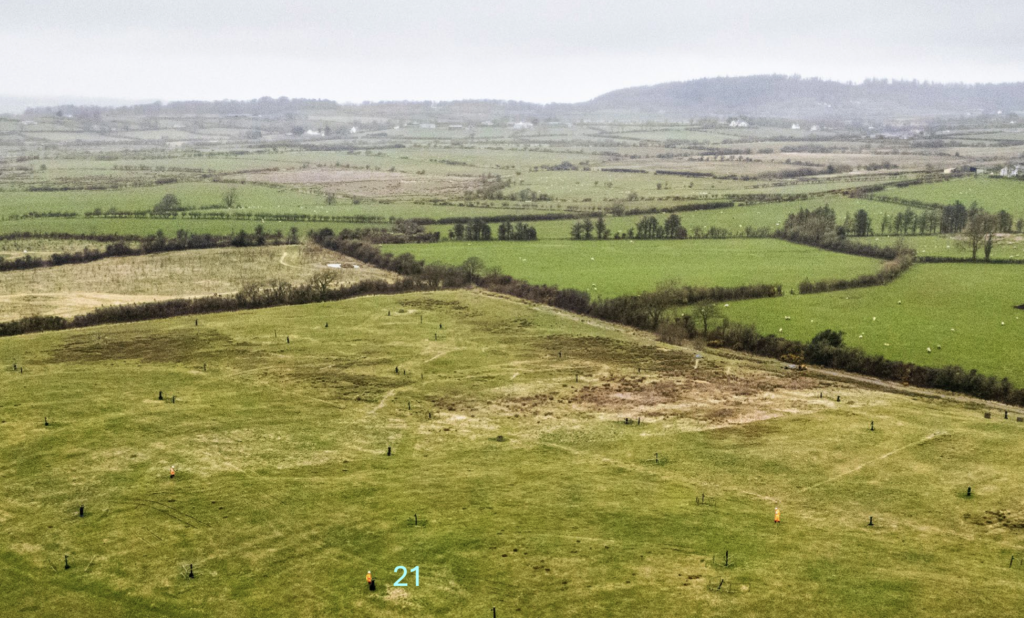
Across Wales, landfill sites are being transformed into long-term assets, including:
- Solar energy installations
- Biodiversity and habitat restoration
- Public access and community spaces
- Mixed-use environmental and energy projects
With the right strategy, landfill sites can move from a compliance burden to a valuable part of the local environment and community.
Real-World Experience: Penhesgyn Landfill Site
“Working with Egniol on the Penhesgyn landfill site on Anglesey has been a genuine partnership. Together we’ve addressed both long-term and immediate challenges on site, from groundwater and gas monitoring to ongoing compliance with NRW. The Egniol team’s expertise has been invaluable in delivering practical, sustainable solutions.”
– Principal Waste Management Officer, Isle of Anglesey County Council
Download the Full Guide
For a more detailed breakdown, including monitoring matrices, checklists and practical examples, download the full guide below.
[Download the Practical NRW Landfill Guide (PDF)]
Need Support with Your Landfill Site?
Whether you’re reviewing your monitoring plan, looking to reduce operational costs, or planning for closure, Egniol provides practical, experienced support across the full landfill lifecycle.
Get in touch for a no-obligation review of your site.
Download the guide and speak with us if you’d like tailored support.
